Trauma can leave lasting emotional effects that influence how a person thinks, feels, and responds to everyday situations. Whether the trauma comes from childhood experiences, loss, abuse, accidents, or other difficult events, recovery often requires professional support. This is where a private trauma therapist in Ireland can make a meaningful difference.
Many people struggle with trauma silently, believing they should handle everything on their own. However, healing is not about forgetting what happened. It is about understanding its impact, processing emotions, and learning healthy ways to move forward. A private trauma therapist in Ireland provides the guidance, tools, and support needed to make that journey possible.
Understanding Trauma Beyond the Event
One common misconception is that trauma is only about the event itself. In reality, trauma is often about how the mind and body continue responding long after the event has passed.
People experiencing trauma may notice:
- Constant anxiety or worry
- Difficulty sleeping
- Emotional numbness
- Panic attacks
- Low self-confidence
- Relationship difficulties
- Feelings of fear or hopelessness
A private trauma therapist in Ireland helps individuals understand these reactions and recognize that they are common responses to difficult experiences.
How a Private Trauma Therapist in Ireland Helps Identify Trauma Triggers
Many trauma survivors experience emotional reactions without fully understanding what causes them.
For example, certain situations, conversations, sounds, or environments may trigger feelings of fear, stress, or sadness. A private trauma therapist helps clients identify these triggers and understand why they occur.
Once triggers are recognized, therapy focuses on developing practical strategies to manage them more effectively. This can reduce emotional overwhelm and improve daily functioning.
Helping You Process Difficult Experiences Safely
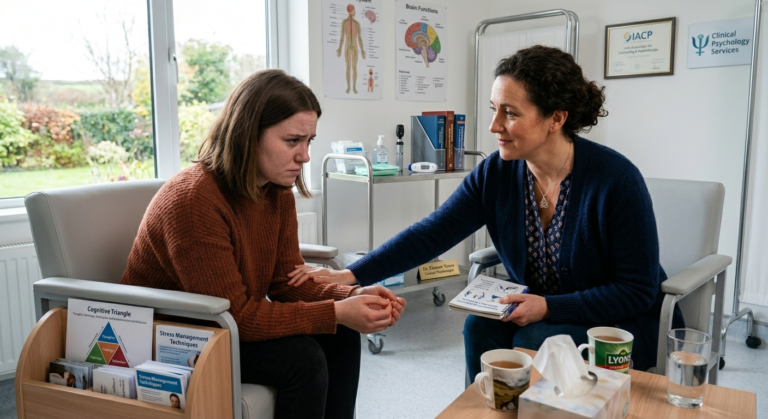
One of the most important ways a trauma therapist helps is by creating a safe environment to explore painful experiences.
Many people avoid discussing trauma because it feels overwhelming. While avoidance may provide temporary relief, it often prevents long-term healing.
A therapist provides professional support that allows individuals to:
- Explore difficult memories safely
- Understand emotional responses
- Reduce feelings of shame or guilt
- Gain a healthier perspective on past experiences
Over time, discussing trauma in a structured therapeutic setting can help reduce its emotional intensity.
Building Healthy Coping Skills for Everyday Life
Trauma can affect daily life in many ways. Some people become overly anxious, while others struggle with emotional numbness or difficulty trusting others.
A private trauma therapist teaches practical coping strategies that help individuals manage these challenges more effectively.
These skills may include:
Emotional Regulation Techniques
Learning how to manage intense emotions without becoming overwhelmed.
Stress Management Strategies
Developing healthier ways to respond to stress and anxiety.
Mindfulness Practices
Improving awareness of thoughts and emotions while staying grounded in the present moment.
Self-Care Routines
Creating habits that support emotional and physical wellbeing.
These tools can continue helping long after therapy sessions have ended.
Rebuilding Confidence After Trauma
Trauma often damages self-esteem and confidence. People may begin to doubt themselves, question their decisions, or feel powerless.
A private trauma therapist in Ireland helps clients rebuild confidence by focusing on strengths, achievements, and personal growth.
Through therapy, individuals often learn to:
- Challenge negative self-beliefs
- Develop healthier self-talk
- Set realistic goals
- Build stronger boundaries
- Improve self-worth
As confidence grows, many people find it easier to pursue opportunities and maintain healthier relationships.
Improving Relationships and Communication
Trauma can affect relationships with family members, friends, and partners.
Some individuals struggle with trust, while others avoid emotional closeness altogether. These patterns can make it difficult to form and maintain healthy relationships.
A private trauma therapist in Ireland helps clients understand how trauma influences relationship dynamics and teaches communication skills that support healthier connections.
Improved communication often leads to:
- Stronger relationships
- Better conflict resolution
- Increased trust
- Greater emotional intimacy
Supporting Recovery From Anxiety and PTSD
Many people seeking a private trauma therapist in Ireland are also experiencing symptoms of anxiety or post-traumatic stress.
Trauma therapy can help reduce:
- Flashbacks
- Panic attacks
- Hypervigilance
- Nightmares
- Persistent fear
- Emotional distress
By addressing the underlying trauma, therapy often helps reduce these symptoms and improve overall mental wellbeing.
Why Many People Choose a Private Trauma Therapist in Ireland
There are several reasons why individuals choose private therapy instead of waiting for other services.
Faster Access to Support
Many private therapists can offer appointments sooner, allowing individuals to begin their recovery journey without lengthy delays.
Personalized Treatment
A private trauma therapist in Ireland provides individualized care based on each client’s unique experiences and goals.
Greater Flexibility
Private therapy often offers appointment times that fit around work, education, and family commitments.
Consistent One-to-One Care
Clients work directly with the same therapist throughout their treatment, helping build trust and continuity.
The Long-Term Benefits of Trauma Therapy
Healing from trauma takes time, but the benefits can be life-changing.
People who work with often report:
- Improved emotional wellbeing
- Better stress management
- Increased confidence
- Healthier relationships
- Greater resilience
- Enhanced quality of life
Therapy does not erase difficult experiences, but it can help individuals move forward without being controlled by them.
Frequently Asked Questions
How can a private trauma therapist in Ireland help with emotional healing?
A private trauma therapist in Ireland helps individuals process difficult experiences, understand emotional responses, develop coping strategies, and build resilience. Therapy provides a structured and supportive environment that encourages long-term healing and emotional growth.
Can trauma therapy help with anxiety and panic attacks?
Yes. Trauma often contributes to anxiety, panic attacks, and excessive worry. A private trauma therapist in Ireland can help identify underlying causes and teach practical techniques for managing symptoms more effectively.
How long does trauma recovery take?
Recovery varies from person to person. Factors such as the type of trauma, personal circumstances, and therapy goals influence the process. A private trauma therapist in Ireland creates a treatment plan tailored to each individual’s needs.
Is private trauma therapy confidential?
Yes. Confidentiality is a fundamental part of professional therapy. Clients can discuss personal experiences in a safe and private environment.
What should I expect during my first therapy session?
The first session usually focuses on understanding your experiences, discussing current challenges, and identifying goals for therapy. Your therapist will explain how the process works and answer any questions you may have.
Why choose a private trauma therapist in Ireland?
Many people choose a private trauma therapist because of faster access to care, personalized treatment plans, flexible scheduling, and consistent one-to-one support throughout the recovery journey.
Also Read This: Best Mental Health Counseling in Ireland for Emotional Wellness