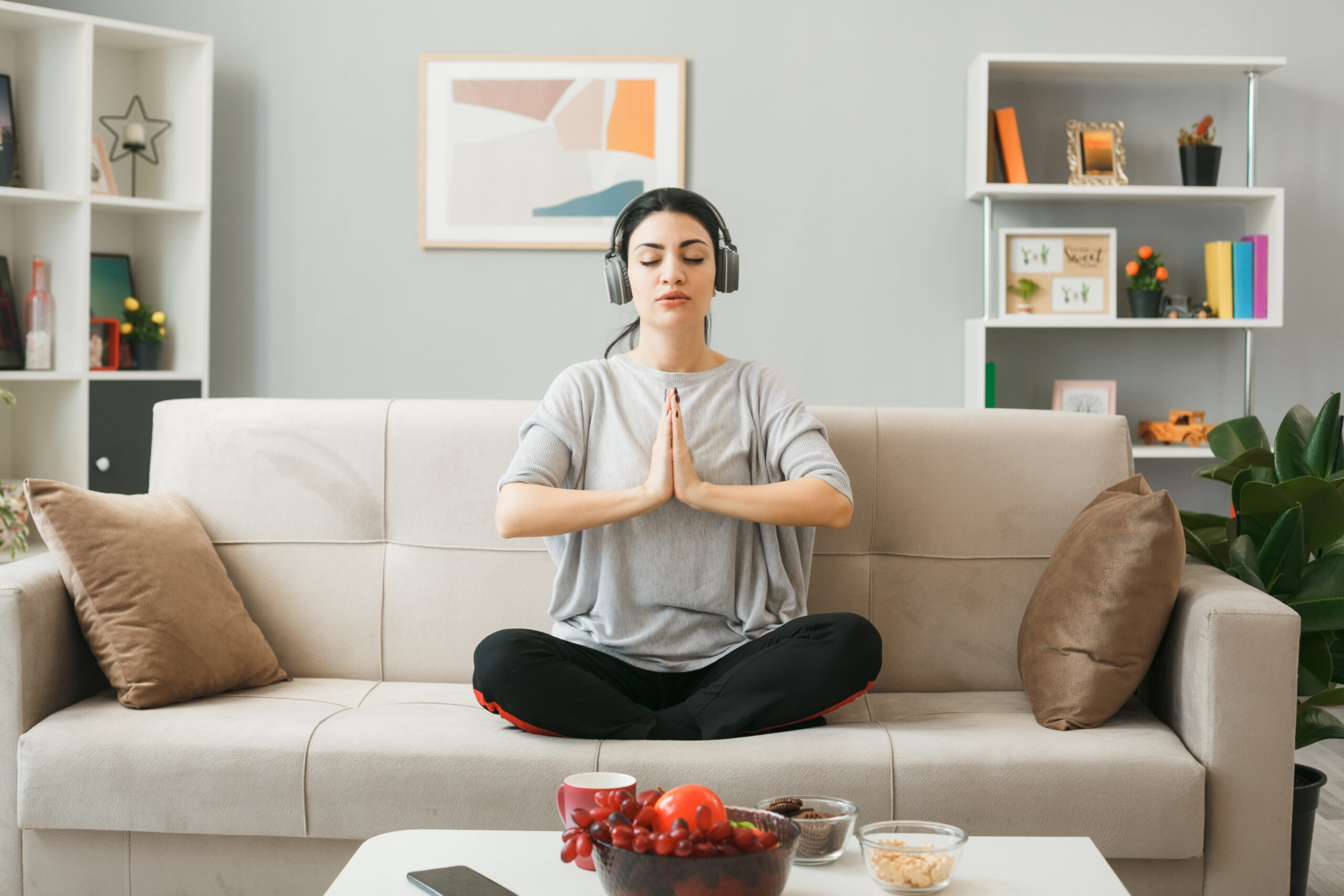
What Is Self-Care?
Self-care refers to the intentional actions individuals take to maintain and improve their physical, emotional, and mental well-being. It involves recognizing personal needs and making conscious efforts to support overall health.
In today’s fast-paced and demanding world, self-care is often overlooked or misunderstood. Many people associate it with luxury or indulgence, but in reality, self-care is a necessary part of maintaining balance and long-term well-being.
Rather than being occasional or optional, self-care should be seen as a daily practice that supports emotional stability, reduces stress, and enhances quality of life.
Why Self-Care Is Important for Mental Health
Regular self-care plays a crucial role in protecting and improving mental health. When individuals consistently care for their well-being, they are better equipped to handle stress, manage emotions, and maintain resilience.
Key benefits of self-care include:
- Reducing stress and anxiety
- Improving mood and emotional stability
- Increasing energy levels and motivation
- Preventing burnout and emotional exhaustion
- Enhancing focus and productivity
- Supporting overall physical and mental health
When self-care is neglected, stress can accumulate over time, leading to mental health challenges such as anxiety, depression, and burnout.
The Link Between Self-Care and Emotional Well-being
Emotional well-being is closely connected to how individuals care for themselves. When basic needs such as rest, connection, and relaxation are not met, emotional balance becomes difficult to maintain.
Self-care helps regulate the nervous system, allowing individuals to:
- Process emotions more effectively
- Respond to challenges calmly
- Maintain a sense of control and stability
- Improve self-awareness and self-understanding
By prioritising self-care, individuals create a strong foundation for long-term mental health.
Types of Self-Care for Mental Health
Self-care is not one-size-fits-all. It includes various dimensions that work together to support overall well-being.
1. Physical Self-Care
Physical health directly impacts mental health.
Examples include:
- Regular exercise and movement
- Balanced nutrition
- Adequate sleep and rest
- Staying hydrated
Taking care of the body helps improve energy levels, mood, and cognitive function.
2. Emotional Self-Care
Emotional self-care involves acknowledging and expressing feelings in a healthy way.
Examples include:
- Journaling thoughts and emotions
- Talking to trusted friends or family members
- Practicing self-compassion
- Allowing time to process experiences
This type of self-care helps reduce emotional buildup and improve emotional regulation.
3. Mental Self-Care
Mental self-care focuses on maintaining cognitive health and reducing mental overload.
Examples include:
- Taking breaks from screens and digital devices
- Engaging in learning or creative activities
- Practicing mindfulness or meditation
- Limiting exposure to negative information
Mental clarity improves when the mind is given time to rest and reset.
4. Social Self-Care
Humans are naturally social beings, and meaningful connections are essential for mental well-being.
Examples include:
- Spending time with supportive people
- Building strong and healthy relationships
- Participating in community activities
- Setting boundaries in relationships
Healthy social interactions provide emotional support and reduce feelings of isolation.
Simple Daily Self-Care Habits
Incorporating self-care into daily life does not require major changes. Small, consistent habits can have a significant impact over time.
Practical daily self-care habits include:
- Taking short breaks throughout the day
- Practicing gratitude and positive reflection
- Spending time in nature or outdoors
- Setting clear boundaries at work and in relationships
- Engaging in hobbies or activities that bring joy
- Practicing deep breathing or relaxation techniques
Consistency is more important than intensity. Even small actions, when practiced regularly, can improve mental health.
Overcoming Barriers to Self-Care
Many individuals struggle to prioritise self-care due to:
- Busy schedules and time constraints
- Feelings of guilt or selfishness
- Lack of awareness about personal needs
- Cultural or social expectations
It is important to understand that self-care is not selfish. Taking care of your own well-being allows you to function better in all areas of life, including work, relationships, and personal growth.
The Role of Therapy in Supporting Self-Care
Therapy can play an important role in helping individuals build and maintain self-care routines.
A mental health professional can support individuals in:
- Identifying stress triggers and emotional patterns
- Developing personalised coping strategies
- Improving emotional awareness and regulation
- Creating realistic and sustainable self-care routines
- Addressing underlying issues that prevent self-care
Therapy provides guidance, structure, and support for long-term well-being.
Building a Sustainable Self-Care Routine
Creating a sustainable self-care routine involves:
- Understanding personal needs and limits
- Setting realistic and achievable goals
- Integrating self-care into daily schedules
- Being flexible and adapting when needed
- Practicing self-compassion rather than perfection
Self-care should feel supportive, not overwhelming. The goal is to create habits that are realistic and maintainable over time.
A Compassionate Perspective on Self-Care
It is important to remember that self-care looks different for everyone. What works for one person may not work for another.
The key is to develop a routine that aligns with your lifestyle, needs, and values.
Self-care is not about doing everything perfectly—it is about making consistent efforts to support your well-being.
Conclusion
Self-care is an essential part of maintaining mental health and emotional well-being. By prioritising daily habits that support balance and resilience, individuals can reduce stress, improve mood, and enhance their overall quality of life.
Small, intentional actions taken each day can lead to meaningful and lasting changes. With the right mindset, support, and consistency, self-care can become a powerful tool for long-term mental wellness.